

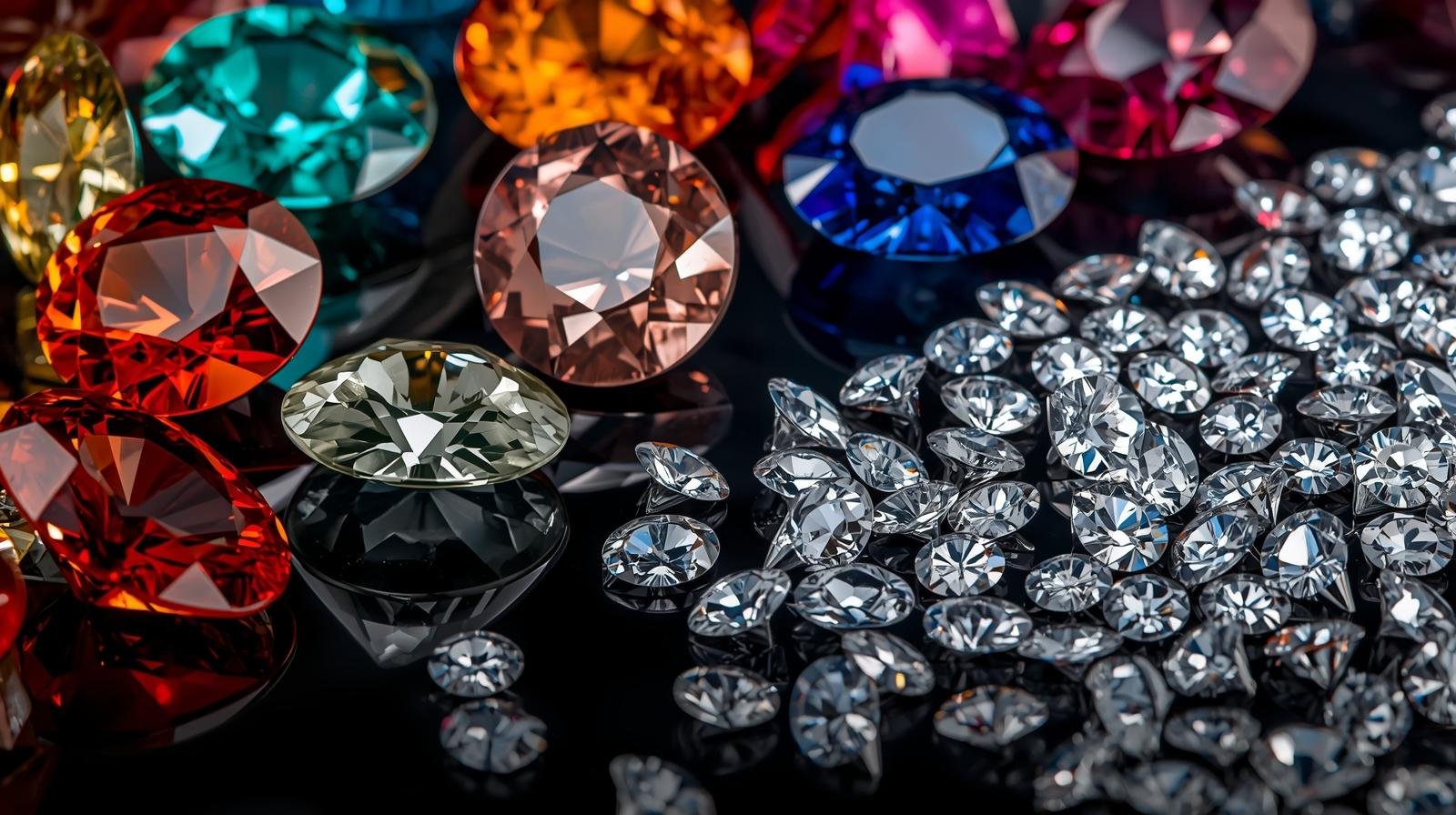
It’s a common question in the world of fine jewelry: why are some gemstones, like rubies, emeralds, and sapphires, sometimes more expensive than diamonds? The answer lies in rarity, grading, and the nuanced expertise required to assess colored stones.
Understanding what makes a gemstone valuable helps collectors, investors, and jewelry lovers appreciate why certain stones command higher prices.
Rarity Is Key, But Diamonds Are Different
Rarity plays a major role in determining a gemstone’s price. Diamonds are rare, but they are also highly regulated. Their quality is standardized globally through extensive studies and grading systems, assessing color, cut, clarity, and carat weight.
Colored gemstones, however, are less standardized. Rubies, emeralds, and sapphires occur far less frequently in nature at the highest quality. There are simply fewer of them, especially stones with deep, vivid colors and minimal inclusions.
Expertise Shapes Value
High-quality colored gemstones require expert evaluation. Take rubies, for example: what makes a ruby truly rare? Its color depth, hue, and saturation must meet precise criteria. Some collectors prize “pigeon blood” red rubies, while others prefer slightly pinkish tones.
Unlike diamonds, these preferences are more subjective. Grading is nuanced, and each stone’s beauty, character, and rarity contribute to its price.
A Distinct Class of Consumers
Because of their rarity and the expertise required to assess them, high-quality colored stones attract a very specific audience. Collectors and jewelry connoisseurs understand the subtleties that influence value.
In many ways, colored gemstones operate in a different market from diamonds. While diamonds are standardized and widely recognized, rare rubies, sapphires, and emeralds are sought after by those who value exclusivity and the art of fine gem selection.
Comparing Diamonds and Colored Gemstones
You can’t directly compare high-quality colored stones to diamonds:
- Diamonds: standardized grading and predictable value.
- Colored Gemstones: rarer in nature, subject to taste, and assessed by expert judgment.
This distinction is why some gemstones, despite their smaller size or lesser fame, can surpass diamonds in price.
Frequently Asked Questions
1. Are rubies rarer than diamonds?
Yes. High-quality rubies are far less common in nature than diamonds.
2. Why are emeralds so expensive?
Emeralds with deep, vivid green color and minimal inclusions are exceptionally rare, driving high prices.
3. How is sapphire value determined?
Sapphire pricing depends on color, clarity, cut, and origin, with Kashmir and Burmese sapphires commanding the highest premiums.
4. Can colored gemstones appreciate over time?
Yes. Rare rubies, emeralds, and sapphires with top-quality grading often increase in value over time.
5. What makes a gemstone “pigeon blood” ruby?
It is a highly prized ruby with intense red color and slight blue undertones, considered the rarest and most valuable.
6. Are all colored gemstones considered luxury items?
Only those with exceptional color, clarity, and size reach high luxury status.
7. Can expertise affect the price of a gemstone?
Absolutely. An expert gemologist can evaluate subtle qualities that significantly impact a gemstone’s value.